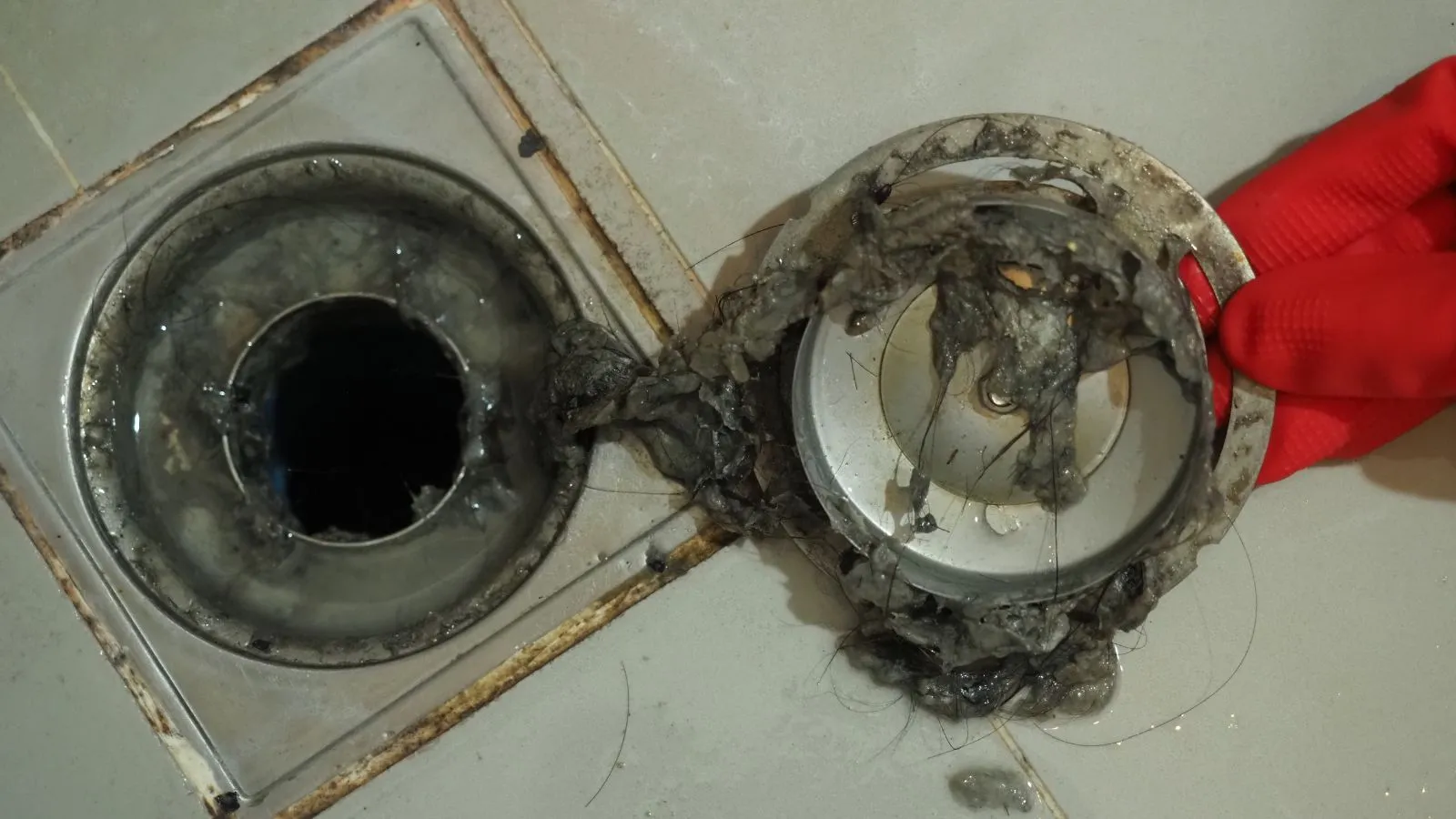
If sewage is coming up through a toilet, tub or floor drain in your Laguna Woods, CA home, stop using water and call. Our dispatch line, (949) 670-0939, is open 24/7, and a crew can be sent the same day when available. Until then, keep children, older family members and pets out of the room.
Sewage backup cleanup is the removal of wastewater that has flowed backward out of a drain line, along with the materials it soaked, followed by disinfecting and drying. The ANSI/IICRC S500 standard for professional water damage restoration classes this as Category 3, or black water, because it can carry harmful organisms.
How a backup starts inside the building
A backup begins when wastewater cannot move down the line and finds the lowest open path, which is usually a floor drain, a tub or the toilet nearest the blockage. Grease, wipes, tree roots and a collapsed pipe section are common culprits. In a building where several homes share a drain line, the water often shows up in the lowest unit first.
Laguna Woods Village was built in phases between 1963 and 1985, according to the Village's community information. Lines that old can crack, shift or collect buildup. We cannot tell you what pipe sits behind your wall, so ask Resident Services or your mutual about your building.
What you see and what it means
Gurgling or slow drains in several fixtures
When a toilet, tub and sink all drain slowly or bubble, the blockage is usually in a shared line, not a single fixture.
Water in the tub when you flush
The line is blocked below the tub drain. Stop flushing and stop running sinks, because every gallon you add has nowhere to go.
Water or dark residue at a floor drain
Sewage has risen as far as the lowest drain. Check nearby carpet, baseboards and cabinets for wicking.
A sewer smell that does not fade
Odor after the water is gone means contaminated material is still in the floor, wall base or pad.
Sewage backup safety steps for the first hour
- Stop flushing and stop running sinks, showers, dishwashers and washing machines. Extra water only pushes more waste into the room.
- Keep people and pets out of the affected rooms. Do not wade through the water, and do not run a household vacuum on it.
- If water is near outlets, cords or the panel, stay out and cut power only if you can reach the switch without touching water. Call 911 for any sign of sparks, burning smell or a medical emergency, as the City of Laguna Woods fire page directs.
- Call Resident Services at 949-597-4600 if you live in the Village, and call us for the cleanup. Photograph the damage before anything is moved.
Who to call for the blockage itself
Restoration crews clean up after a backup. They do not clear the line, so you also need the party responsible for the pipe. In the Village, call Resident Services first, because the blockage may be in a main line serving the building.
El Toro Water District provides wastewater service to the City of Laguna Woods, according to the district's own website. A blockage can be the building's or the district's, so ask Resident Services which it is, or call the district main line at (949) 837-7050 during office hours. We do not know of a published 24-hour district line, so do not count on one.
Away from the Village, a private plumber can scope your lateral line and clear it. Ask the plumber to tell you in writing where the blockage was, because the answer decides who pays.
How our crew handles a black water loss
Gear up and contain
Crew members put on gloves, boots, eye protection and respirators. The work area is separated so contamination does not travel into clean rooms.
Extract the water
Extraction wands and portable units pull contaminated water from hard floors and carpet. Nothing goes down a household drain.
Remove porous materials
Carpet, pad, baseboard and wet drywall that sewage touched are cut out, bagged and removed.
Clean and disinfect
Hard surfaces and framing are scrubbed with detergent, then treated with an appropriate disinfectant. HEPA vacuums pick up fine debris.
Dry and verify
Air movers and dehumidifiers dry the area. Moisture meters and a thermal camera confirm the structure is dry before rebuilding starts.
Why carpet, pad and drywall usually go
Porous materials absorb contaminated water and cannot be reliably cleaned once it soaks in. The CDC's flood cleanup guidance says to discard items that cannot be washed and disinfected, and its list includes carpeting, carpet padding, rugs and upholstered furniture. It also says to discard drywall and insulation that touched sewage or flood water.
Hard materials are different. Tile, sealed concrete, stone and framing lumber can usually be scrubbed and disinfected in place.
| Material | Usual outcome | Why |
|---|---|---|
| Carpet and pad | Removed and discarded | Fibers and foam hold contaminated water |
| Drywall and insulation | Cut out and replaced | Absorbent, hard to clean through the surface |
| Baseboards and trim | Removed, sometimes saved if sealed | Wicking behind them is common |
| Tile, sealed concrete, framing | Cleaned, disinfected and dried | Non-porous or solid surfaces can be treated |
| Clothing and linens | Washed hot with detergent when possible, or discarded | Depends on the fabric and the contact |
Sewage backing up right now?
The 24/7 line is staffed. A crew can be dispatched the same day when available.
Why this is not a do-it-yourself job
Mops, towels and household cleaners spread contamination more than they remove it. The EPA's mold guidance advises getting professional help when sewage or contaminated water is involved. Wet porous materials also stay damp inside, which sets up mold if they are left behind.
Gear matters too. CDC guidance calls for rubber boots, rubber gloves and goggles during flood cleanup, and wet waste needs proper bagging and disposal. Wash hands with soap and clean water after any contact, and ask a physician about any health concern.
What changes the cost of sewage backup cleanup
- Area and rooms reached. A single bathroom is a smaller job than a hallway, bedroom and kitchen.
- Depth and time since the backup. Water that has sat longer soaks deeper into wall bases and subfloor.
- Materials removed. Carpet and pad come out quickly. Drywall, cabinets and flooring add labor and rebuild work.
- Drying days and equipment. Heavier losses need more air movers, more dehumidifiers and more monitoring visits.
- Rebuild scope. Water damage cleanup ends when the area is clean. Replacing what was removed is separate repair work.
Want your real number? Call (949) 670-0939. Scope and price are explained before work starts.
Insurance and who pays for a backup
Sewer backup coverage is often an optional add-on, and many policies exclude it unless you added it. California's Department of Insurance says homeowners policies do not cover flood, but cover other kinds of water damage depending on cause. Read your policy for the words sewer, drain or water backup, or ask your insurer which applies.
Responsibility also depends on where the blockage sat. Third Mutual's damage restoration policy lists fixture and mainline stoppages within the building among its causes, and the Third and United insurance disclosures describe owner responsibility for interiors and personal property. Both disclosures describe a large per-occurrence master policy deductible. Mutuals differ, and the summaries are not clear enough to state who pays in your case, so confirm with Resident Services.
Sewage backups in Laguna Woods Village
According to El Toro Water District, the district provides wastewater service to all of the City of Laguna Woods. That means a blockage in a street-side or main sewer line may not be a building problem at all, so report the backup to Resident Services and ask them to confirm before you pay for a plumber.
The district's published main number is (949) 837-7050, and its customer service office keeps weekday hours with alternating Fridays, according to its website. Call during office hours for the main sewer line, and call Resident Services at 949-597-4600 any time for the building side.
The Village community information says homes were built between 1963 and 1985, and the Village has one-story and two-story buildings. In a stacked building a backup can reach the unit below, so photograph every affected room and tell neighbors and Resident Services.
Source type: water district website, community association documents and city website
Mistakes to avoid
Do not keep flushing to test the line, and do not pour chemical drain cleaner into a backed-up fixture. Do not run fans over wet sewage, because they push contaminated droplets and odor through the home. Do not keep wet carpet or pad in place to save a few days.
If the first backup clears, call anyway. A line that backed up once often will again, and water may already be inside the wall base. For storm water entering from outside, see flood damage restoration. For nearby service, our Laguna Hills and Lake Forest pages list what we cover there.
Sewage backup cleanup service map for Laguna Woods
Common questions
Yes. The dispatch line is open 24/7, including nights, weekends and holidays. A crew can be sent the same day when one is available, and we do not promise an arrival time.
A plumber or the party responsible for the line clears the blockage. In the Village, start with Resident Services at 949-597-4600. We handle the contaminated water, the affected materials and the disinfecting.
The EPA advises professional help when sewage or contaminated water is involved. If you must act before a crew arrives, stay out of the water, keep others away and limit yourself to documenting the damage.
Usually yes. The CDC says to discard carpeting and padding that cannot be washed and disinfected. A crew checks what the water touched and tells you what is removable.
It depends on your policy and on where the blockage was. Ask your insurer if sewer or water backup coverage is on your policy, and ask Resident Services how your mutual treats mainline stoppages.
Call 911 for a medical emergency, sparks or a burning smell near wet outlets. For the backup alone, call Resident Services if you live in the Village, then call our 24/7 line.